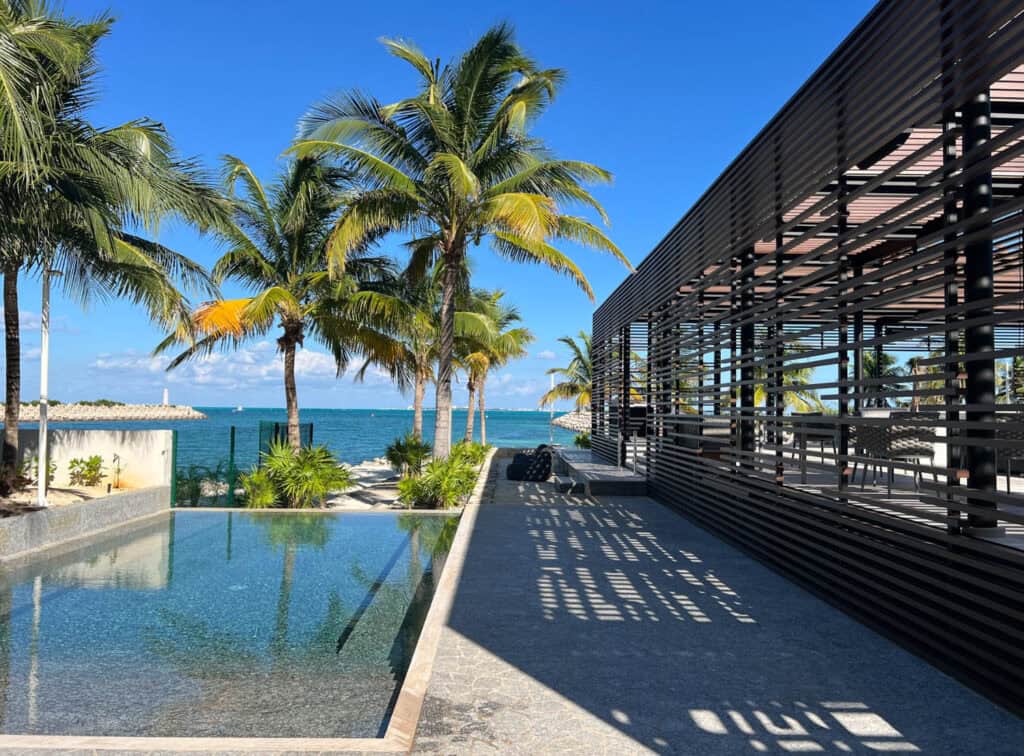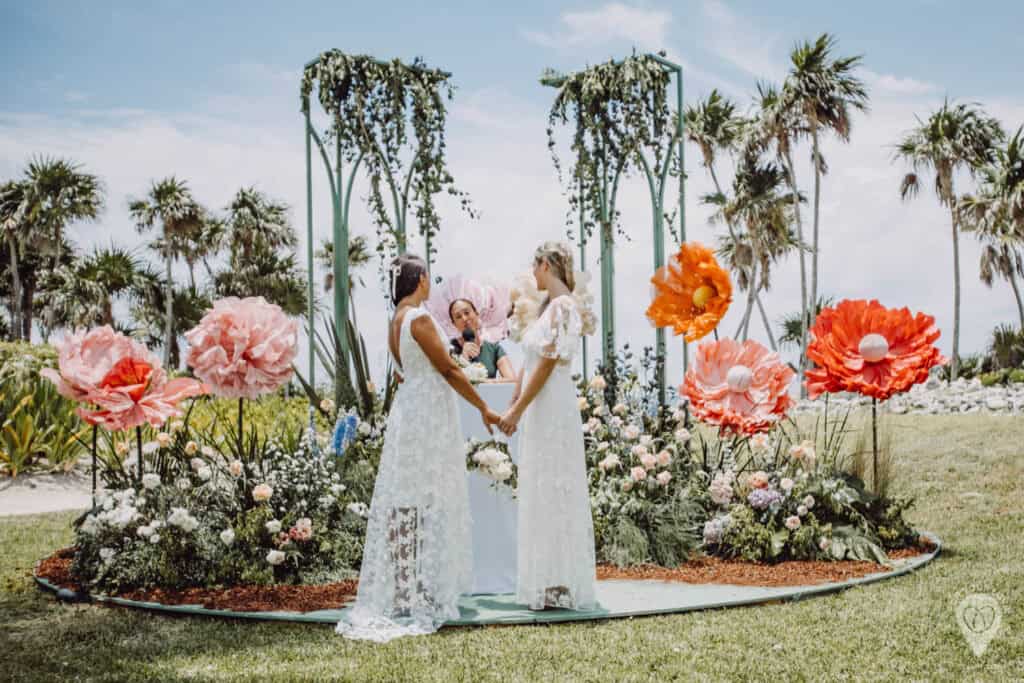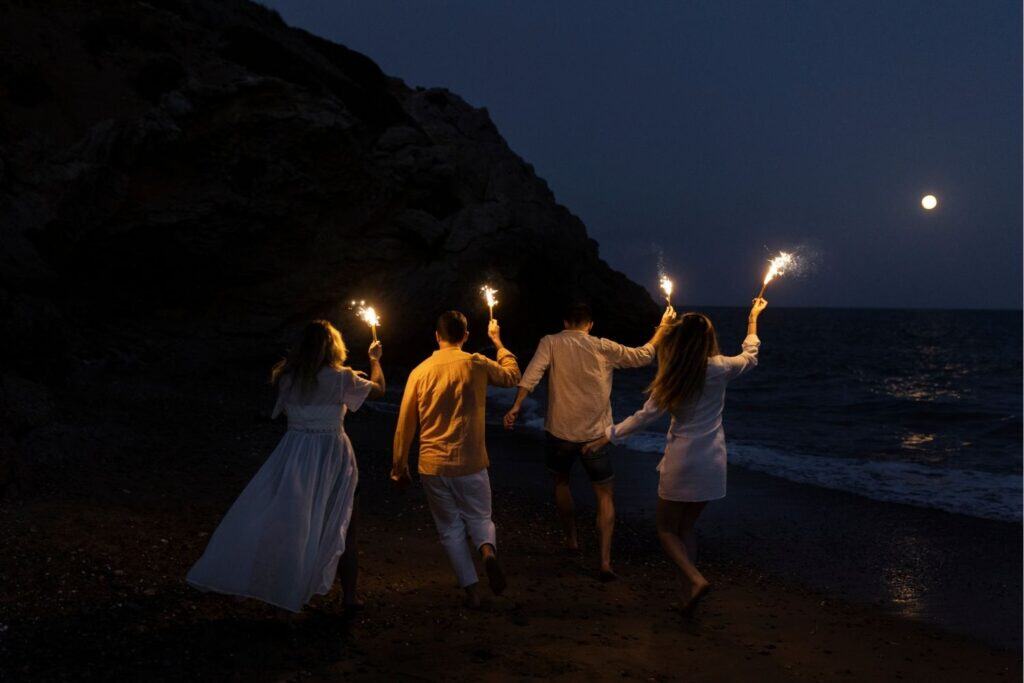

Turquoise water. Salt in the air. A few days away from your normal routine. Destination weddings in the Caribbean and Mexico offer more than just a scenic ceremony. The event brings everyone together in a venue where the pace slows down and the vibe shifts from busy to relaxed.
Attending or planning one does require some extra thought. Knowing what to expect makes the experience smoother and a lot more memorable.
What to Expect at a Caribbean or Mexico Destination Wedding
Most destination weddings stretch out over several days, typically 3-5 days. Guests don’t just fly in for one evening and head home the next morning. There are welcome dinners, beach parties, group excursions, and often a farewell brunch at the venue before everyone heads out. That means you are getting more than a wedding day. You are getting a mini-vacation built around people you care about.
For couples planning the schedule: A few planned events are great, but don't overpack the itinerary. Guests will want time to explore and enjoy the setting on their own terms. Balance matters here.
For wedding guests packing their bags: Bring more than formalwear. You'll need:
- Swimsuits and cover-ups
- Sandals (both dressy and casual)
- At least one outfit for casual group gatherings
- Bug spray and sunscreen
- A light jacket for air-conditioned restaurants
- Lots of sunscreen
Destination Wedding Etiquette: What Guests and Couples Should Know
For guests navigating expectations: Couples who ask guests to travel internationally and spend several days at a resort typically don't expect traditional registry gifts on top of that expense. That said, check the wedding website for guidance. If you do want to give something, contribute to a honeymoon fund or send a gift to their home before or after the trip.
RSVP by the deadline, even if it feels early. Couples need accurate headcounts to secure a group discount on the rooms, finalize resort blocks, and plan events. And if you RSVP yes, commit to going unless there's a genuine emergency. Backing out late leaves couples stuck with costs they've already paid.
Be flexible with your schedule during the trip. Group dinners might run long. Weather might push the wedding ceremony time. Someone might organize a last-minute snorkeling trip. Go with the flow and remember that you're there to celebrate, not to stick to a rigid vacation agenda.
For couples setting the tone: Be clear and upfront about costs from the start. Let guests know what's included (resort stay, welcome dinner) and what's not (airfare, excursions, spa services). Transparency prevents awkward conversations later. A good travel advisor will help organize all of this in one place, often through a custom booking page or info packet, so guests aren't left guessing. It's one less thing you have to manage during the planning process.
Don't assume everyone can afford to attend. Some people you love won't be able to make it, and that's okay. Send your invitation with warmth, not pressure. And if someone declines, accept it graciously without making them explain their budget.
Keep optional events truly optional. If you plan a group excursion or spa day, make it clear that guests can skip it without offense. Not everyone wants to zipline or spend $200 on a couples massage, and that shouldn't create tension.
Why Booking Early Matters for Destination Weddings
Destination weddings come with perks when you stick to the plan. Couples often work with a travel advisor who arranges a group rate at a specific venue. That means better pricing, easier check-in, and coordinated airport transfers. But those deals come with deadlines.
For guests receiving their invite: RSVP promptly and pay attention to the booking instructions. Don't try to find your own deal at a different hotel. Staying with the group is part of the fun, and it simplifies transportation and communication during the trip. Guests who stay off-property typically have to purchase a day pass to attend the wedding and reception. That is generally the only time they will be allowed on the property.
For couples handling logistics: Work with a Destination Wedding Specialist like Journeys to manage the details involved in planning a destination wedding. Instead of chasing down RSVPs and tracking who booked where, let a professional keep everything organized and guest-friendly. This frees you up to plan the wedding details and actually enjoy this precious time.
Travel Documents You Need for Caribbean and Mexico Weddings
Traveling to the Caribbean or Mexico from the U.S. requires a valid passport. In many cases, your passport must be valid for at least six months beyond your travel date. Some destinations also require health forms or customs declarations to be completed online before arrival, which your travel advisor will advise you of prior to travel.
For guests checking documents: Guests should not wait until the last minute to check their passports. Take a look at the expiration date as soon as you receive the invite. If you need to renew, give yourself plenty of time.
For couples managing communication: Include a quick reminder on your wedding website about travel document requirements. A few sentences can prevent major headaches for guests who are less experienced travelers. A travel advisor can also provide this information directly to guests in emails or booking confirmations, making it easier to keep everyone informed without constantly answering the same questions.
What to Wear to a Beach Destination Wedding
Tropical weddings tend to have more relaxed dress codes than traditional ballroom weddings, but that doesn’t mean casual. Dressy-casual or beach formal usually means sundresses, linen pants, lightweight suits, and wedge sandals. You’ll want to look polished without overheating.
For guests choosing outfits, skip these items:
- Stilettos (they sink into sand)
- Heavy fabrics like velvet or thick wool
- Anything with a full lining
- Dark colors that absorb heat
Go for these instead:
- Lightweight, breathable materials like cotton or linen
- Wedges or dressy flat sandals
- Layers you can add or remove
- Light colors that reflect the sun
For couples setting expectations: Be specific about attire on the invitation. Describe the vibe you're going for, include sample photos if you like, and be clear about footwear if the ceremony is on the sand.
How to Make the Most of the Wedding Week
For guests attending: A destination wedding is a reason to book time off and enjoy a new place, but it's also about celebrating the couple. Attend the scheduled events, join group dinners, and show up on time. You'll still have plenty of downtime to lounge poolside or explore on your own. Think of it as supporting friends or family while also treating yourself to a real vacation.
For couples hosting: This is your celebration, but it's also a vacation for your guests. Think about hosting a welcome party on the first evening to help everyone get acquainted, especially if you're blending different friend groups and family members who haven't met. Create space for relaxation and memories that go beyond the ceremony itself. And above all, don't try to manage everything alone. A travel advisor can help with planning, coordination, and support before and during the trip.
Start Planning with Journeys
Journeys specializes in destination weddings across the Caribbean and Mexico. Our team includes Certified Destination Wedding Specialists who handle resort blocks, guest coordination, and every small detail to keep planning smooth and stress-free for everyone involved.
Ready to plan your wedding or attend one with ease? Contact us today and let our travel team help you with bookings, coordination, and expert guidance every step of the way.
Frequently Asked Questions About Destination Weddings
How much does it cost to attend a destination wedding in the Caribbean or Mexico?
Guests typically spend between $1,200 and $2,500 per person for airfare, accommodations, and extras. Costs vary depending on the resort, length of stay, and time of year. For more details, see our Frequently Asked Questions About Destination Weddings.
Should guests bring a gift to a destination wedding?
Check the wedding website or invitation for guidance on appropriate wedding gift etiquette. Avoid packing large gifts in your luggage.
What if there’s bad weather or a storm?
Most Caribbean and Mexican resorts have strong weather contingency plans. Travel insurance is highly recommended for both couples and guests attending a destination wedding.
Are kids usually invited to destination weddings?
It depends on the couple. Some weddings are adults-only, while others are family-friendly. Always check the invitation to understand the couple's preferences regarding their guest list.
How can guests stay updated on trip details?
Most couples create a wedding website with all the key information about the ceremony, reception, and any planned excursions. Guests should also stay in contact with the designated travel advisor listed in the invite to ensure a smooth wedding experience.
What's the role of a wedding planner at a destination wedding?
Most resorts provide a complimentary wedding planner as part of their package. This person handles setup, vendor coordination, and day-of logistics.